Our Saints
St. George the Prince of Martyrs
Saint George was born in Cappadocia in the early third century to a devout Christian family and was raised in the faith after the death of his father. Known for his courage and wisdom, he became a respected military commander before boldly confessing his faith in Christ during a time of Christian persecution. Despite enduring severe torture and refusing to worship idols, St. George remained steadfast in his faith and became known for the miracles that occurred through him. He ultimately accepted martyrdom by beheading, receiving the crown of eternal life, and remains one of the most beloved and venerated martyrs in Christian history.
Learn More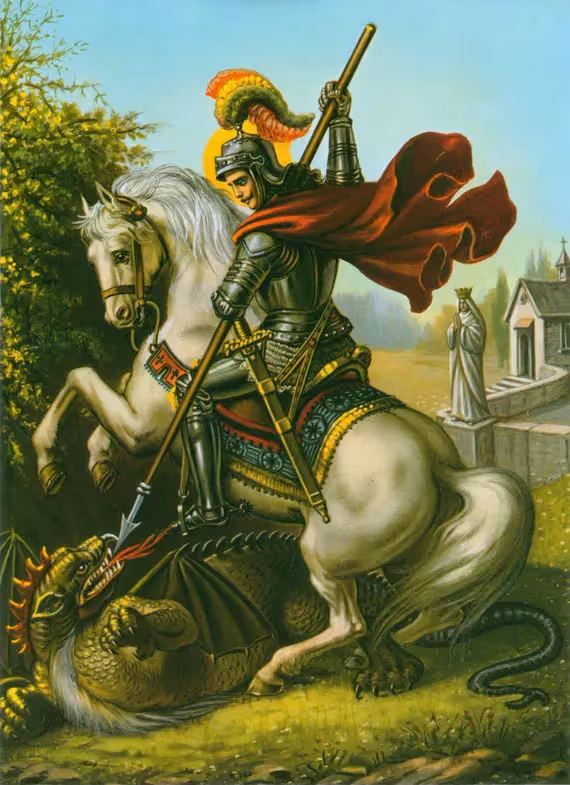
St. Rueiss
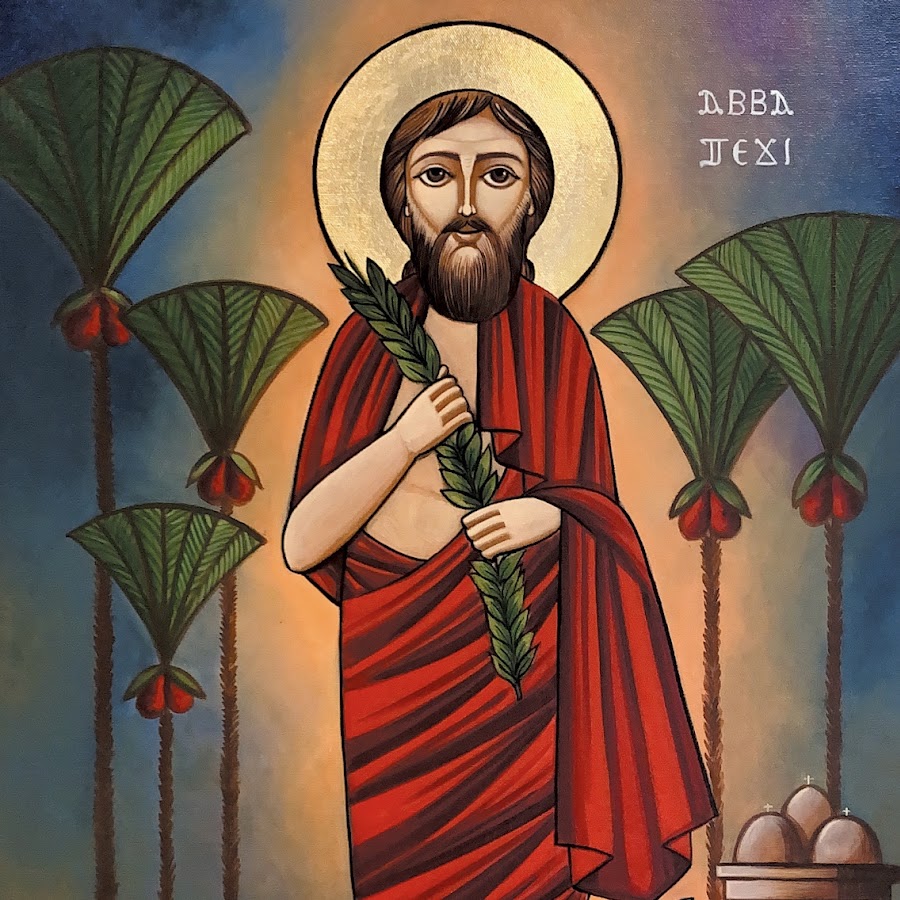
Anba Rueiss, also known as Abba Freig, was a humble saint who reposed in 1405 AD during the time of Pope Matthew I. Born to poor farming parents in Minyat Bimin, he grew up with strong faith, humility, and honesty. He later moved to Cairo and Upper Egypt, where he lived a life of simplicity, prayer, fasting, and devotion, owning nothing and relying on God. Renamed Rueiss after his small camel, he became known for his compassion, spiritual wisdom, and closeness to God. He endured persecution and suffering with patience, showing great forgiveness and faith. God blessed him with gifts of prophecy and spiritual insight. In his final years, he remained thankful through illness and was comforted by the Virgin Mary before his peaceful repose. He was buried at Dayr al-Khandaq, later named in his honor.
Learn MoreSt. Anthony the Great
St. Anthony the Great, the Father of Monks, was born in 251 AD in Qumn al-Arus to a wealthy Christian family. After the death of his parents, he was inspired by the Gospel to give away his possessions, care for the poor, and dedicate his life to God. He began living in solitude, learning from other ascetics and growing in prayer, fasting, and spiritual discipline. After many years of battling temptations and demons, he became a spiritual father to many who sought his guidance. His life inspired the beginning of organized monasticism, earning him the title “Father of Monks.” St. Anthony supported the faithful during persecution, defended the true faith alongside St. Athanasius, and guided many disciples across Egypt. At the age of 105, after encouraging his followers to remain steadfast, he peacefully departed to the Lord and was buried in a hidden place according to his wishes.
Learn More
St. Paul the Hermit
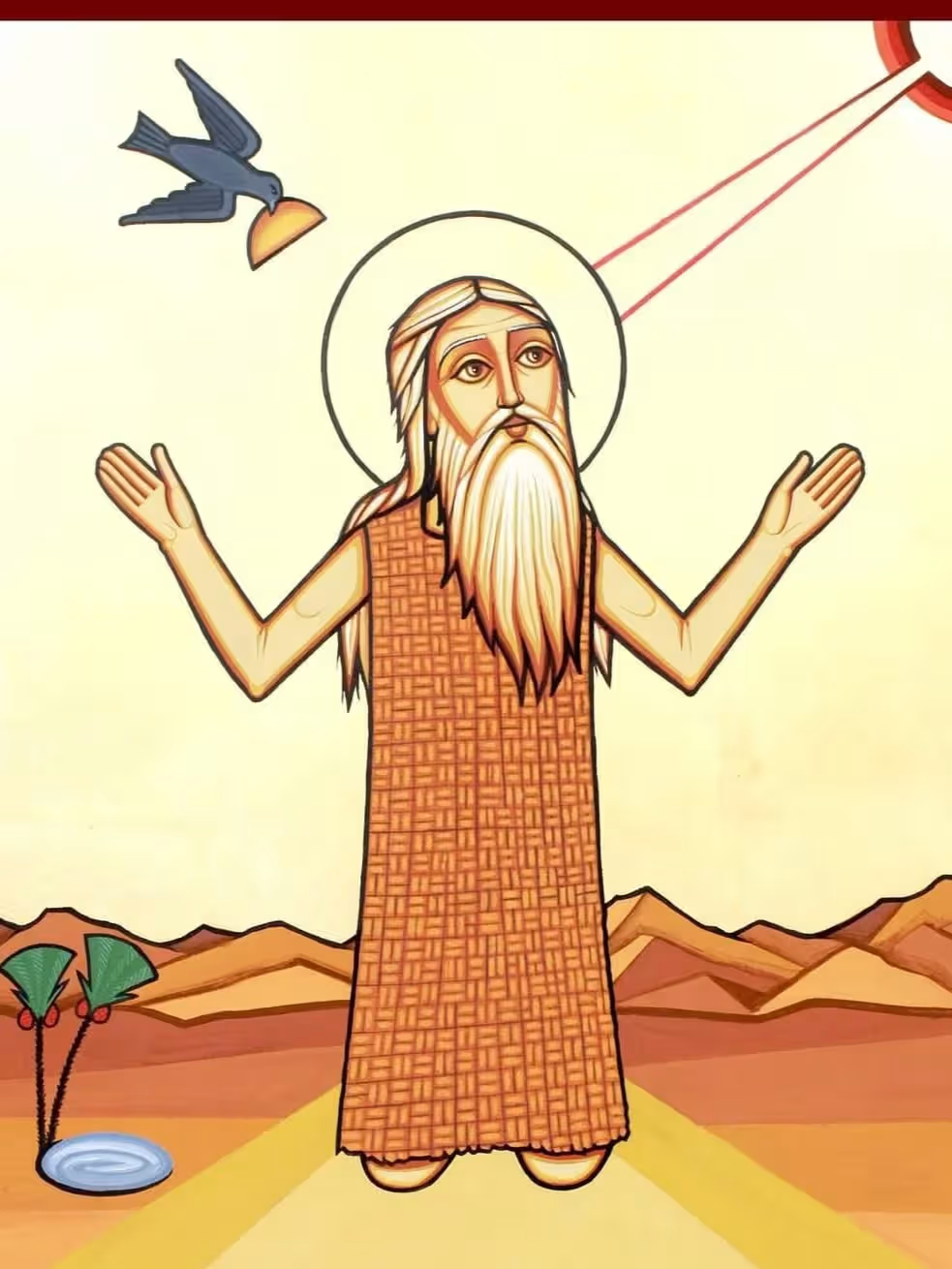
St. Paul the First Anchorite was born in Thebes and lived during the fourth century. After his father’s death, a dispute over inheritance with his brother led him to reflect on the temporary nature of worldly possessions. Choosing to give up everything, he left the city and devoted his life completely to God. Guided by the Lord, he entered the wilderness, where he lived in solitude for seventy years, wearing a garment made of palm fibers and receiving daily bread from a crow. God revealed his holiness to St. Antony the Great, who traveled to meet him and found him as a great example of faith and devotion. After their meeting, St. Paul peacefully departed to the Lord. St. Antony buried him with the help of two lions sent by God and preserved his palm-fiber garment as a reminder of his holy life. St. Paul is honored as the first anchorite and a model of complete dedication to God.
St. Philopateer Mercurius
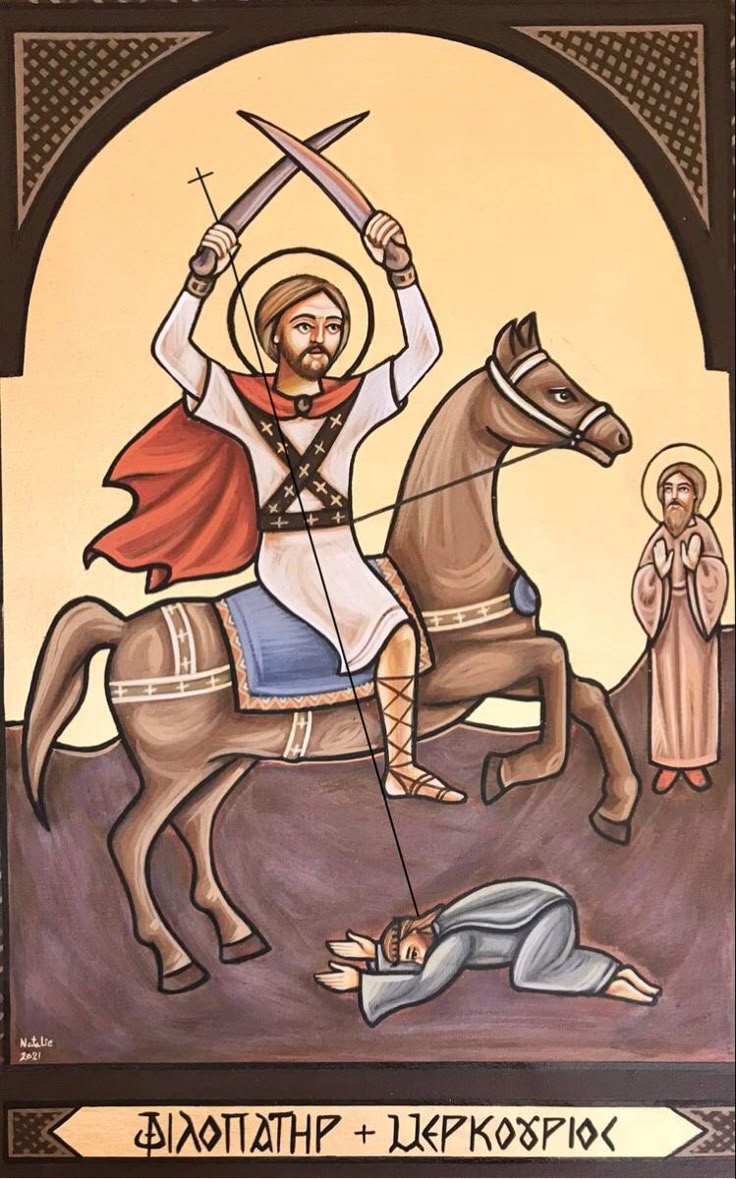
St. Mercurius, known as Abu Sayfayn (“the owner of the two swords”), was born in Rome in the third century to Christian parents who named him Philopater, meaning “lover of the Father.” He joined the Roman army and became known for his courage, strength, and faith. During a battle against invading enemies, an angel appeared to him and gave him a sword, reminding him to remember God after victory. This became the reason he was called Abu Sayfayn, representing both his military sword and the sword of God’s power. Despite receiving honors and high rank, Mercurius gave glory to God for his victories. When he refused to worship idols and confessed his faith in Christ, Emperor Decius ordered him tortured and imprisoned. Remaining faithful through suffering, he inspired many to believe in Christ. He was eventually martyred in Caesarea, receiving the crown of eternal life.
St. Shenouda the Archmandrite
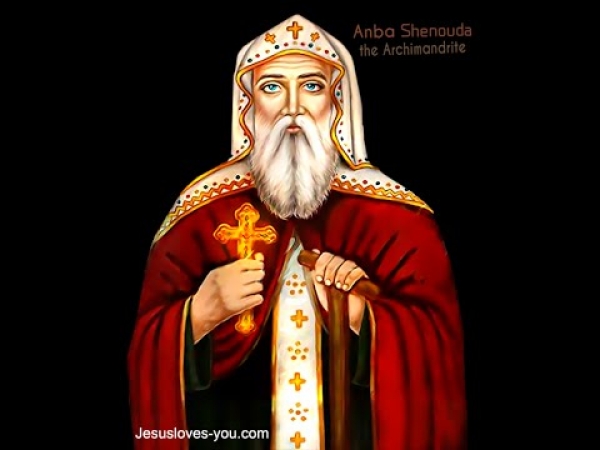
St. Shenoute the Archimandrite was born to faithful Christian parents in Shatlala, Egypt. From a young age, he loved prayer, fasting, and solitude, and his spiritual gifts were recognized early. He joined the monastery of his uncle, Abba Pigol, who prophesied that Shenoute would become a great spiritual leader. After becoming a monk, Shenoute grew in holiness and later became the head of the monastery, guiding nearly 2,500 monks with strong discipline and care. He provided education, encouraged prayer and work, and helped both monks and lay people. He defended the faith, supported the Coptic Church, and attended the Council of Ephesus with Pope Cyril I. Known for his deep spirituality, writings, and service, St. Shenoute was honored with visions of Christ and lived a life devoted entirely to God. He departed peacefully at the age of 120, leaving behind a lasting legacy in the Church.
Archangel Michael
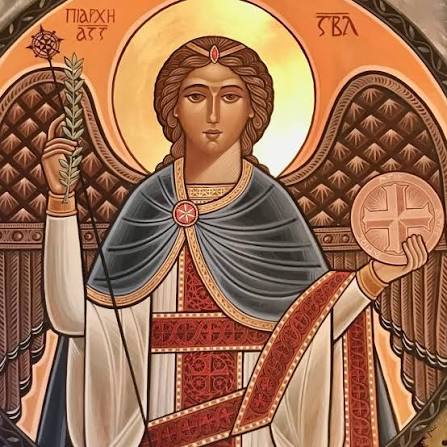
On the 12th of every Coptic month, the Church commemorates the Archangel Michael. Pope Alexander, the 19th Patriarch of Alexandria, transformed a pagan festival honoring Saturn into a Christian feast dedicated to Archangel Michael, replacing the temple with a church and encouraging charity for the poor. A miracle associated with this feast tells of Dorotheus and his wife Theopista, who wished to continue their annual acts of charity despite their poverty. Archangel Michael appeared to Dorotheus, guided him to hidden wealth, and provided for his family, revealing that God had accepted their generosity and would reward them both on earth and in eternal life.

St. Mina the Wonderworker
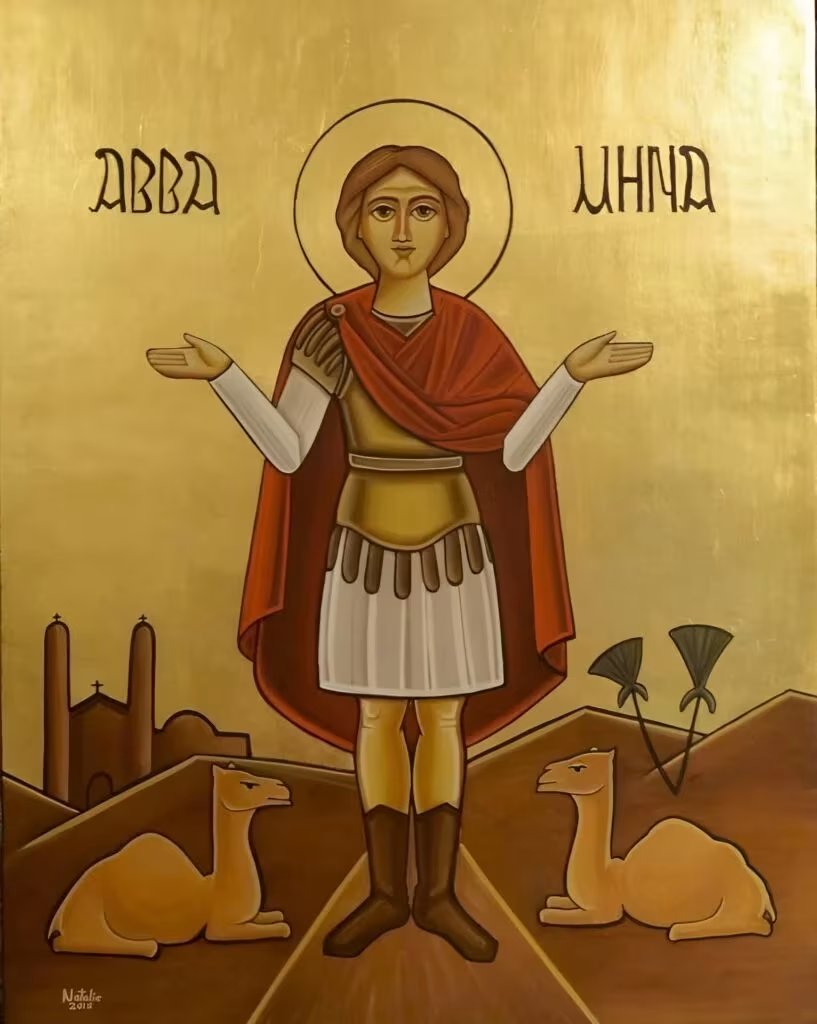
In 309 AD, Saint Mina the Wonder-worker was martyred for his unwavering faith in Christ. Born to the pious Eudoxius and Euphemia after his mother received a miraculous promise through the Virgin Mary's icon, Mina was raised in holiness and generosity. After his parents' death, he gave much of his wealth to the poor and served in the army before leaving for the desert to dedicate himself to prayer. Called by God to confess Christ publicly, he refused to worship idols despite severe torture. Strengthened by Christ Himself, Mina was beheaded, and his body remained unharmed by fire, glorifying God through his martyrdom.
St. Marina
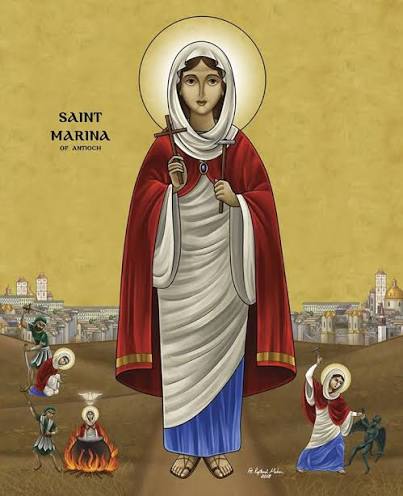
Saint Marina, a young woman from Antioch, was raised in the Christian faith despite her pagan family. At age fifteen, she desired martyrdom after hearing about the glory of the saints. Refusing the governor's offers of wealth and marriage, she boldly confessed Christ and endured severe torture. God repeatedly healed her through His angel. She overcame Satan by the power of the cross and remained steadfast despite every trial. Before her execution, many witnessed God's miracles and believed in Christ. Saint Marina was beheaded for her faith, and even her executioner confessed Christ, was martyred, and received the crown of eternal life.
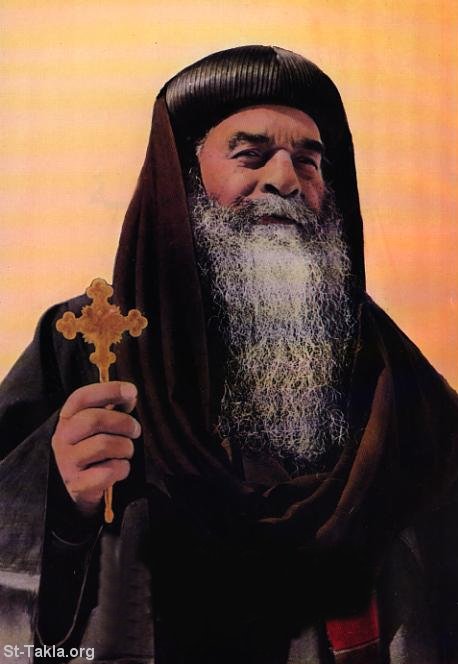
Pope Kyrillos (Cyril) VI
Pope Kyrillos (Cyril) VI, the 116th Pope of Alexandria (1959–1971), was renowned for his holiness, humility, deep prayer, and countless miracles. Born Azer Ata in 1902, he became the monk Fr. Mena, living a life of solitude, service, and devotion. As pope, he faithfully guided the Coptic Church through difficult times, inspired many to the priesthood and monastic life, and was beloved by Christians and non-Christians alike. God granted him gifts of healing, discernment, and wonder-working, leading many to faith. He departed in 1971 and was buried at St. Mina Monastery, leaving a lasting spiritual legacy for the Church.
Archangel Gabriel
The honorable Archangel Gabriel, known as the announcer, is one of God’s heavenly messengers who revealed His divine plans to humanity. He was sent to the Virgin Mary to announce the birth of our Lord Jesus Christ, proclaiming, “Rejoice, highly favored one, the Lord is with you” (Luke 1:28). He also appeared to Zacharias to announce the birth of Saint John the Baptist (Luke 1:11-22). Through his faithful service to God and his role in proclaiming the good news of salvation, Archangel Gabriel remains a symbol of obedience, hope, and divine grace. May his intercession be with us. Amen.